

Street Photography Is About Attention, Not Luck
Street photography often gets dismissed as random. People see a photograph of a stranger on a pavement and assume it was luck. A raised camera. A fast shutter. No intention. No skill.
That misunderstanding is common — and completely wrong.
Street photography isn't about chaos. It's about attention.
The photographs in this series weren't made by wandering aimlessly and hoping something happened. They were made by noticing how people occupy space, how moments unfold quietly, and how ordinary scenes reveal meaning if you're patient enough to look.
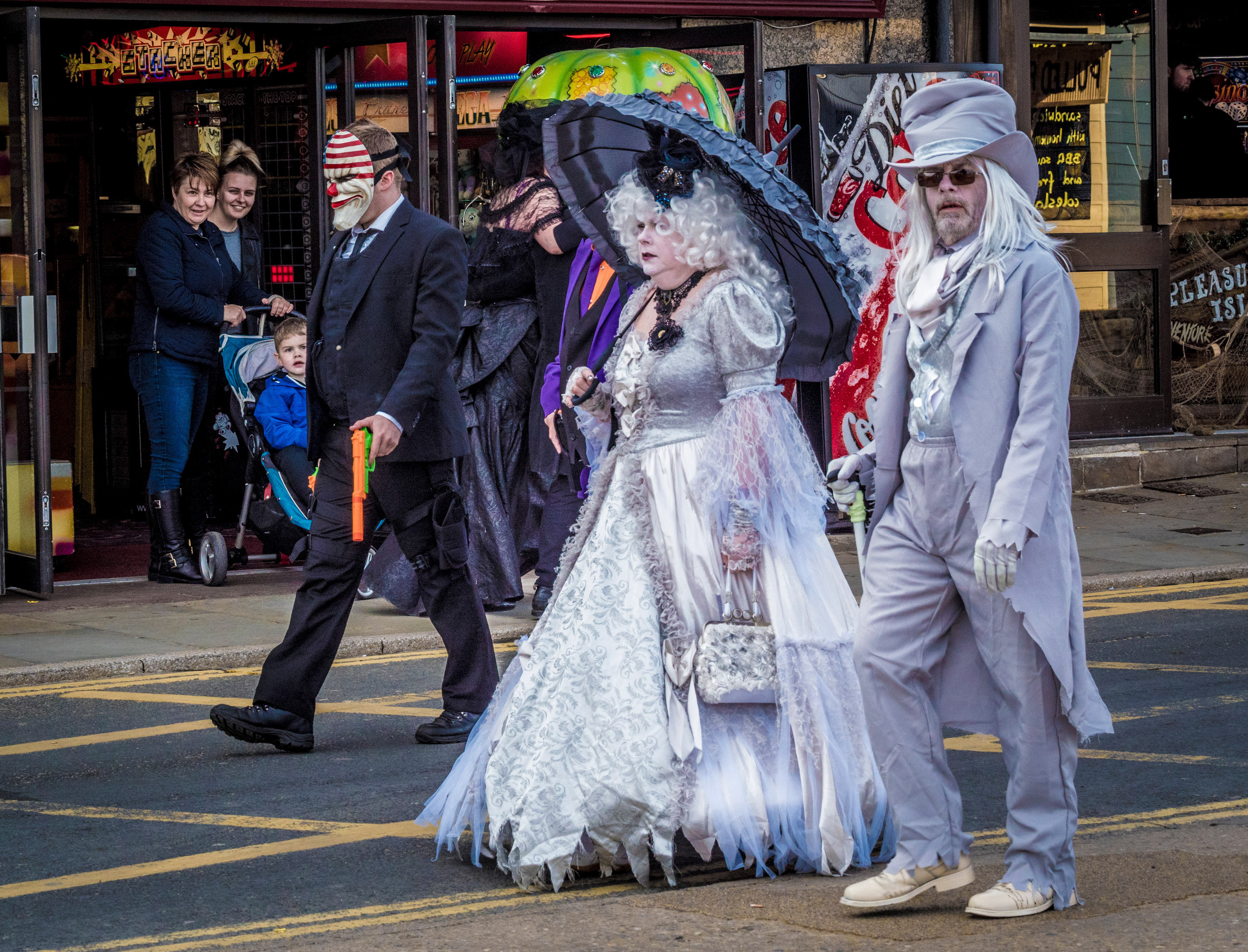
Street photography starts with waiting, not shooting
One of the defining features of strong street photography is stillness.
Most of the time, nothing dramatic is happening. People are reading. Walking. Pausing. Thinking. Talking. Waiting.
The photographer's job isn't to force a moment — it's to recognise when something subtle but human appears.
A posture. A glance. A relationship between people in the frame.
These moments don't shout. They surface briefly, then disappear.
MYP takeaway:
Street photography rewards patience more than speed. If you're always moving, you're missing what's already there.
Context does the heavy lifting
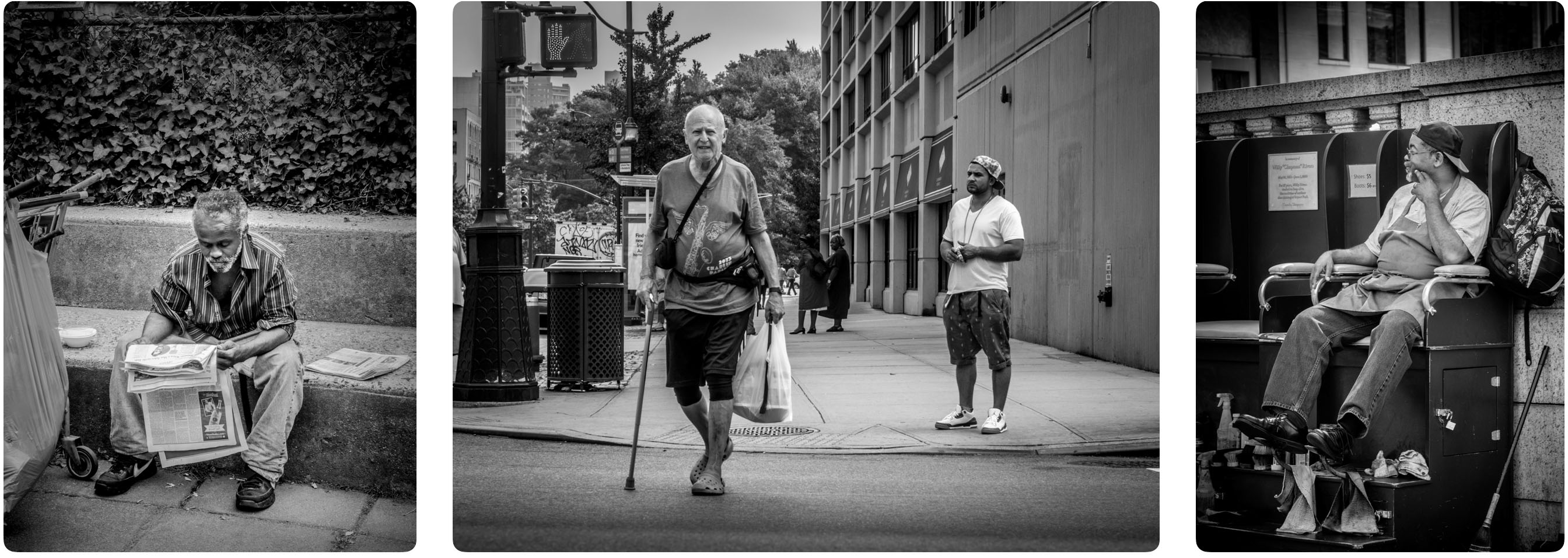
In street photography, the background isn't decoration — it's information.
Kerbs, shopfronts, crossings, benches, walls, railings. These elements quietly tell us where we are and how the subject fits into that space.
- someone paused against a hard edge
- figures moving through rigid architecture
- moments of softness set against structure
Remove the context and the photograph loses its meaning.
MYP takeaway:
If you strip away the setting and the image stops working, the setting was doing its job.
Gesture matters more than faces
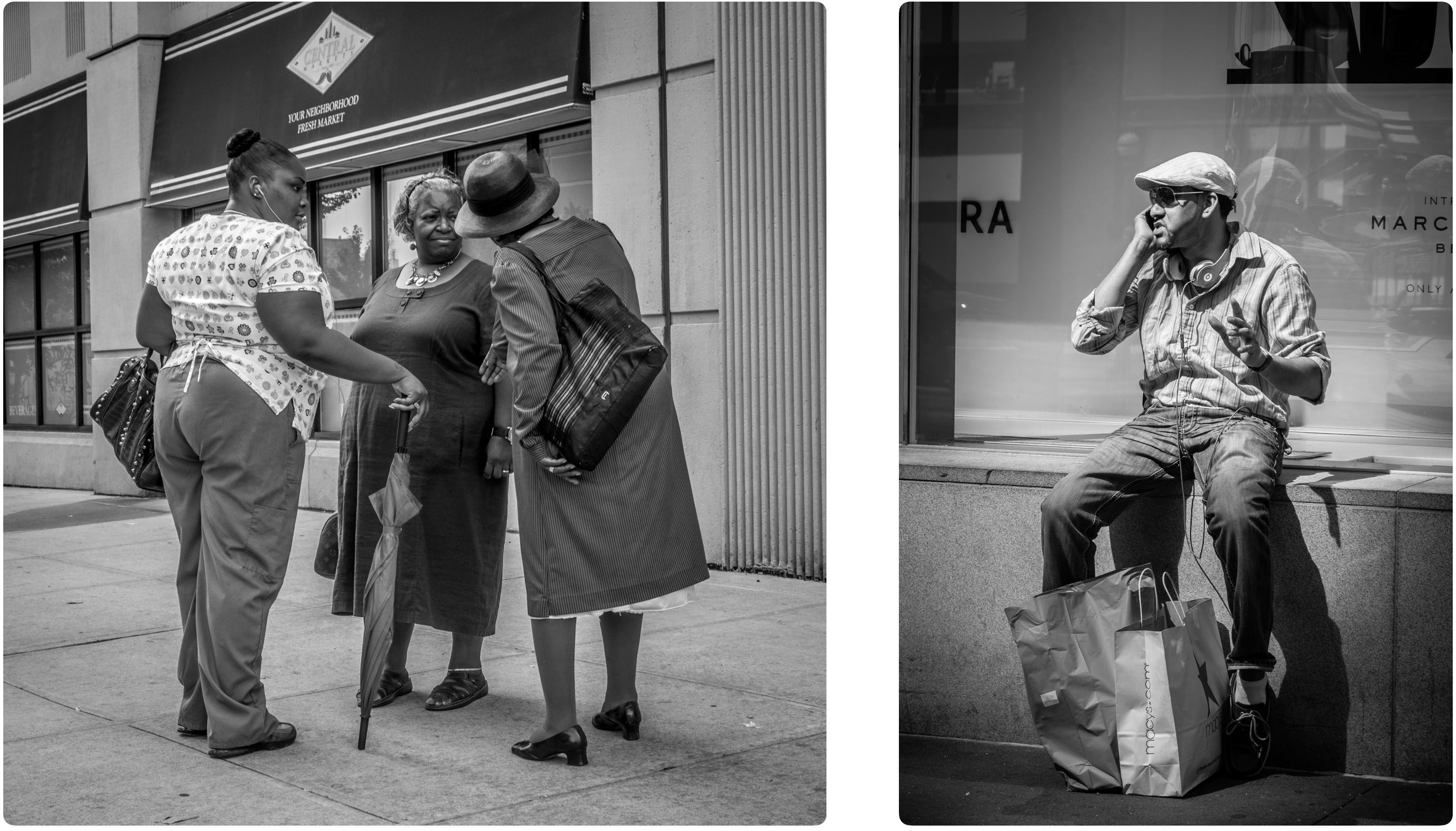
Street photography isn't about expressions alone. Often, the most revealing details are physical rather than facial.
Hands. Weight distribution. The way someone leans, points, grips, hesitates or moves through space.
These gestures tell stories without explanation. They're instinctive and unpolished — which is exactly why they work.
MYP takeaway: When photographing people, don't just watch faces. Watch what the body is saying.
Relationships make photographs stronger
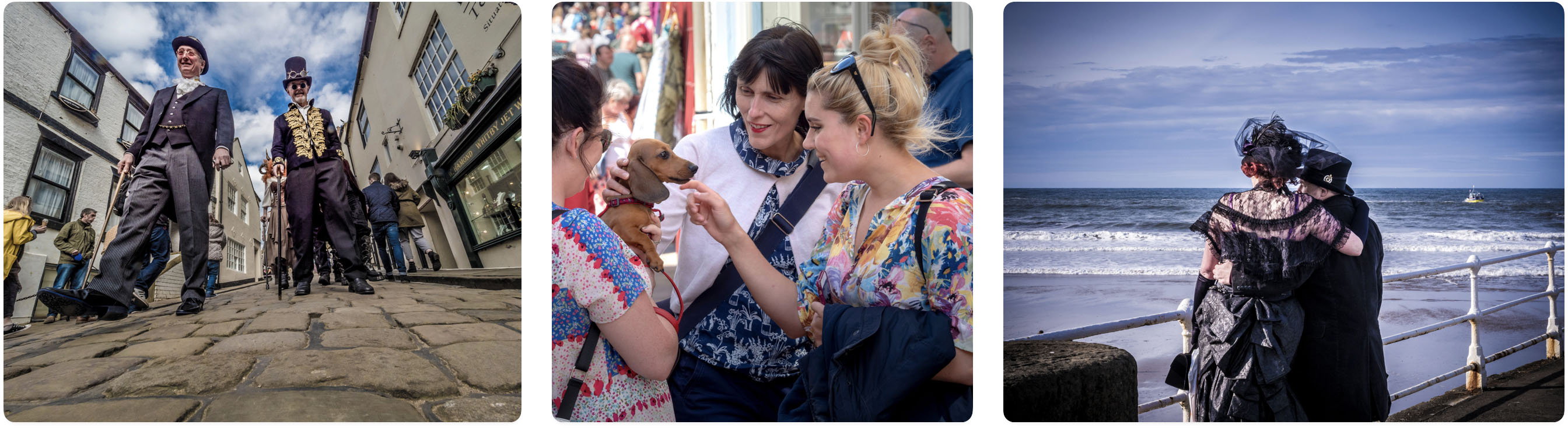
Some of the most compelling street photographs aren't about individuals at all — they're about relationships.
Between people. Between people and place. Between movement and stillness. Between those who are involved and those who are merely passing through.
Street photography excels when it captures these quiet tensions. Nothing needs to "happen" in a traditional sense. The interest lives in how people share space — or avoid sharing it.
MYP takeaway: If your street photos feel flat, look for interaction rather than action.
Street photography isn't intrusive — it's observant
A common criticism of street photography is that it's invasive.
But the strongest work rarely feels aggressive or hurried. It feels calm. Considered. Respectful.
These photographs weren't taken by charging in. They were made by standing back, reading the scene, and choosing the moment when everything aligned.
There's a difference between photographing at people and photographing with awareness.
MYP takeaway: Good street photography comes from observation, not confrontation.
Colour or black and white is a secondary decision
Across this set, some images rely on colour relationships, others on tone and contrast. Neither approach is inherently "better".
What matters is whether the choice supports the moment.
Colour can emphasise separation, identity or humour. Black and white can simplify, slow things down, or remove distractions.
The mistake is choosing a style first and hoping the moment fits it.
MYP takeaway: Decide after the moment, not before it.
A practical exercise to improve your street photography
Try this next time you're out with a camera or phone:
- Pick one small area — a bench, crossing, doorway or corner
- Stay there for five minutes
- Don't take a photo immediately
- Watch how people move through the space
- Make one photograph that shows how someone relates to that place
You'll come back with fewer images — and better ones.
Final thought
Street Photography is different… it asks you to slow down, pay attention, and notice what most people walk straight past.
That's not random.
That's a skill.